how to develop free website

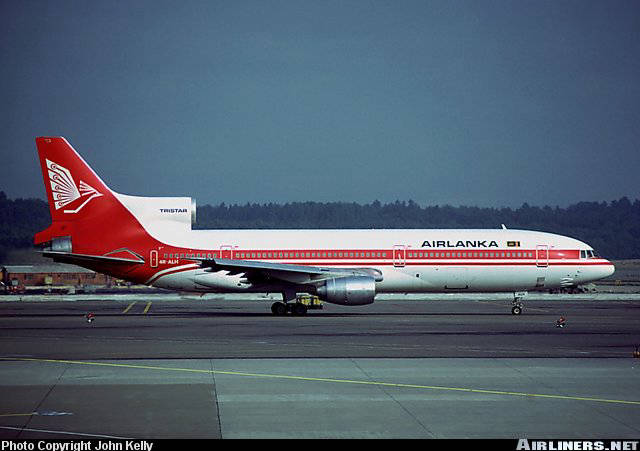
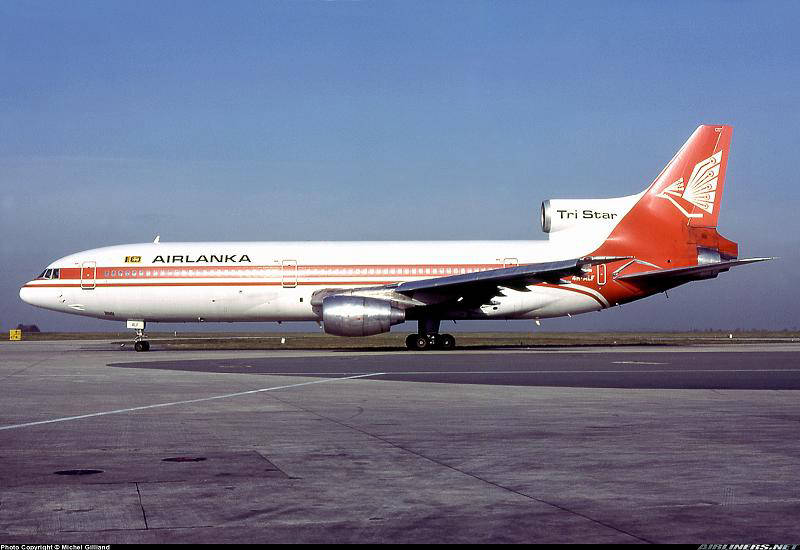
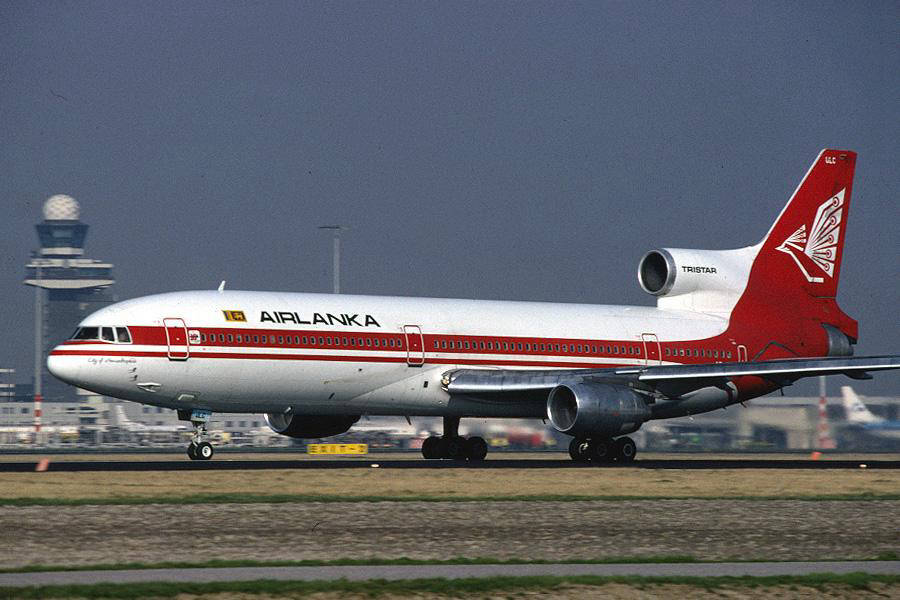
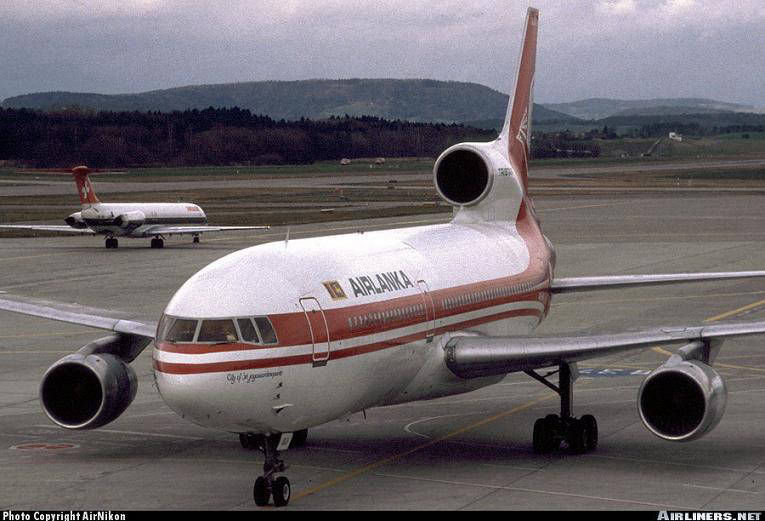
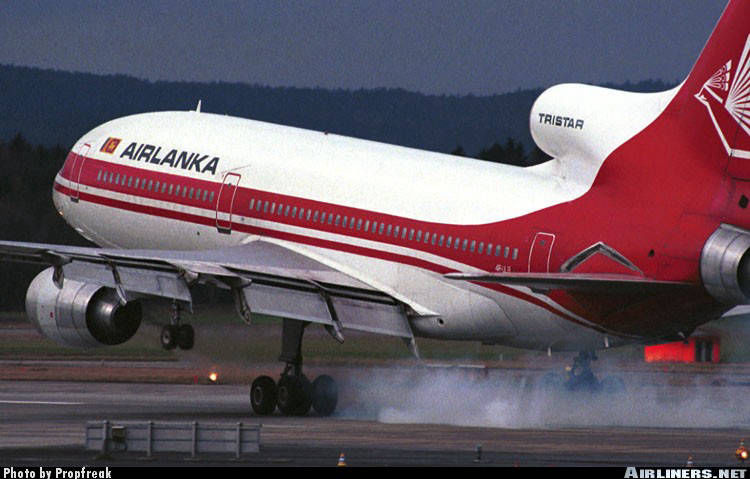
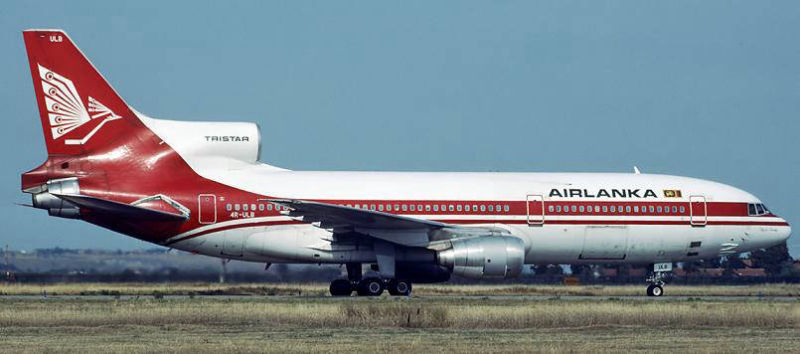
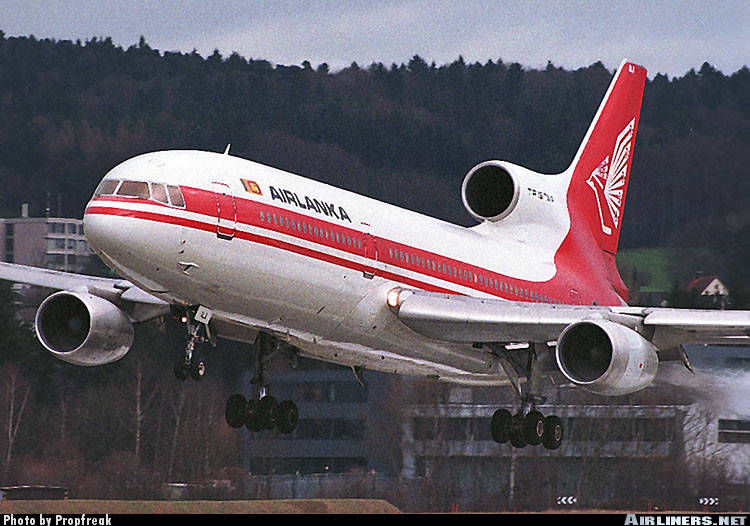
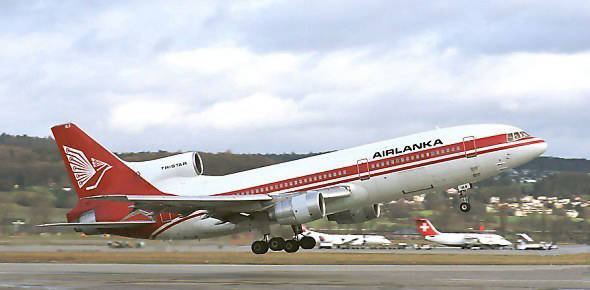
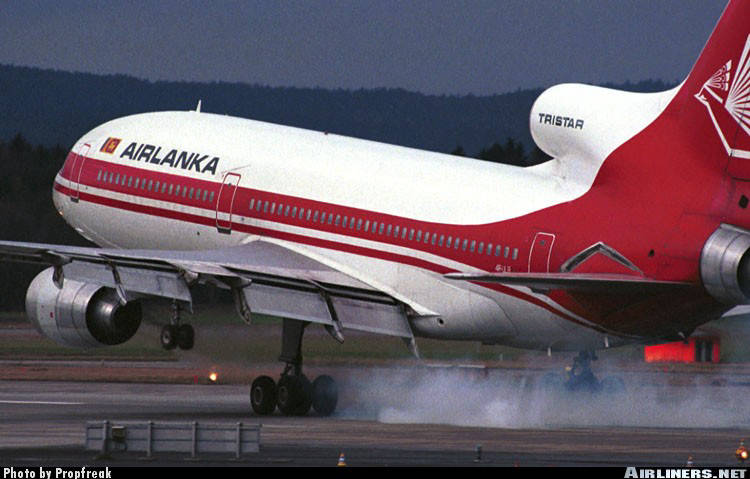
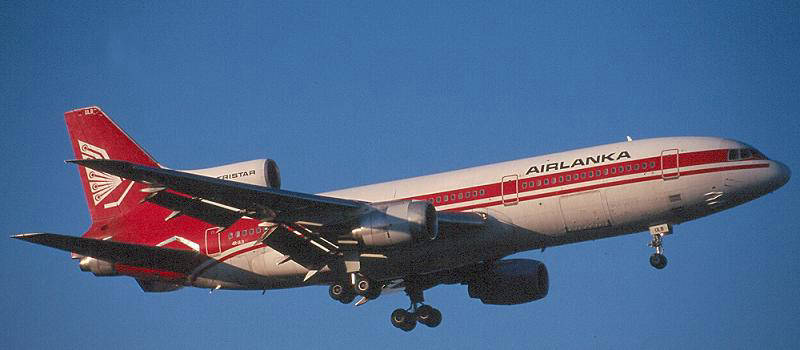
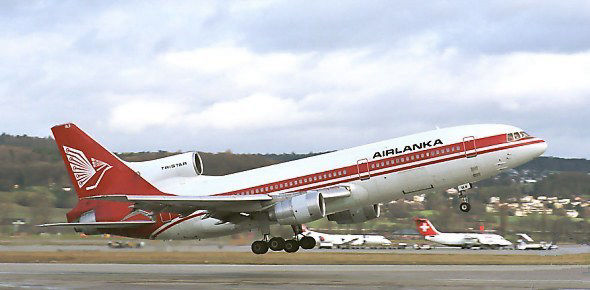
Lockheed L1011-1 & -200


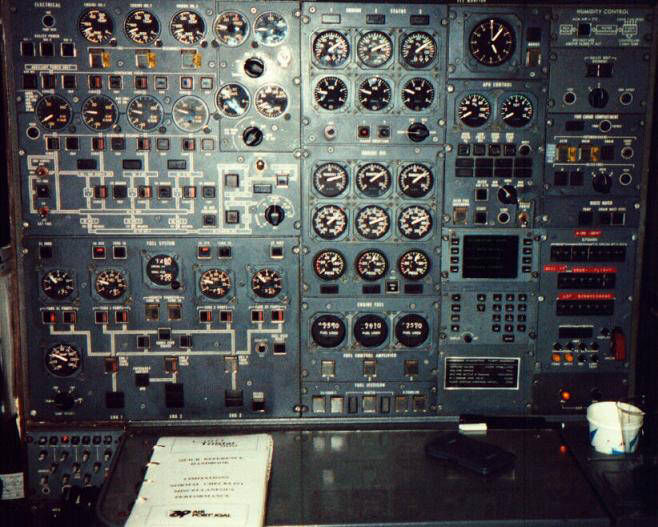
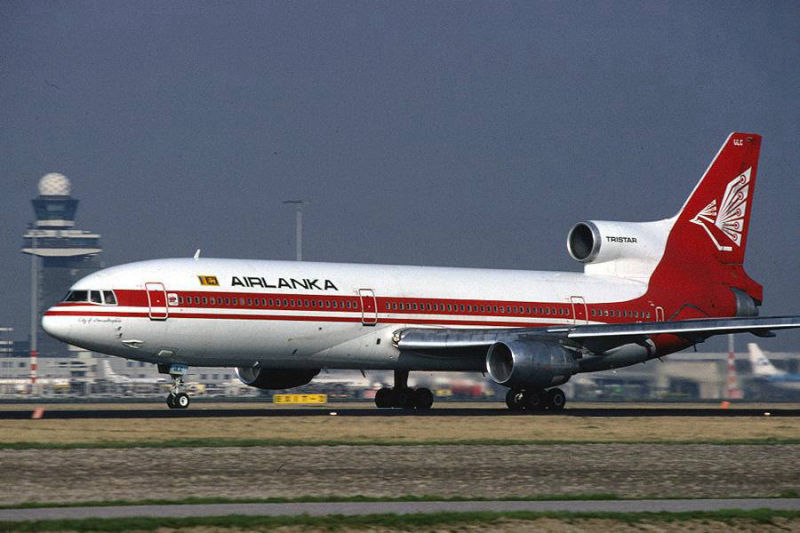
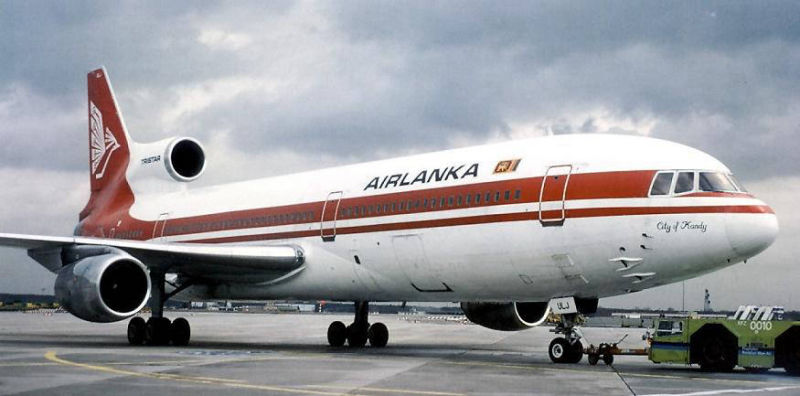
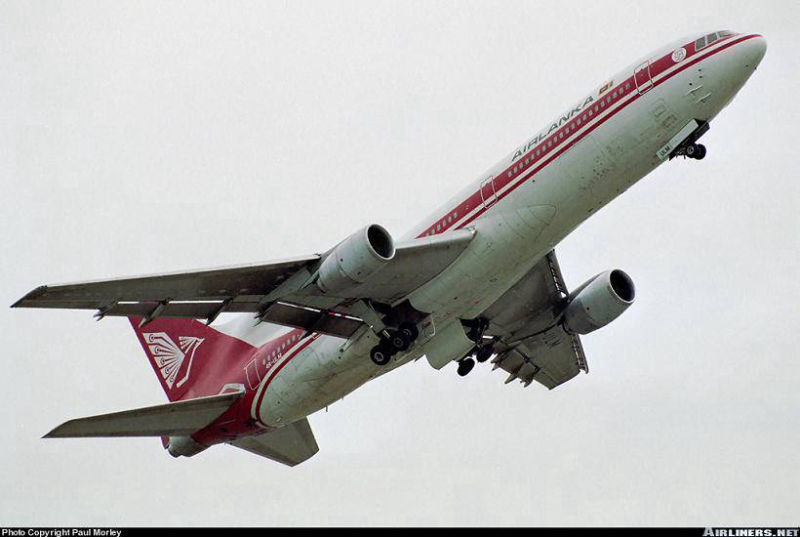
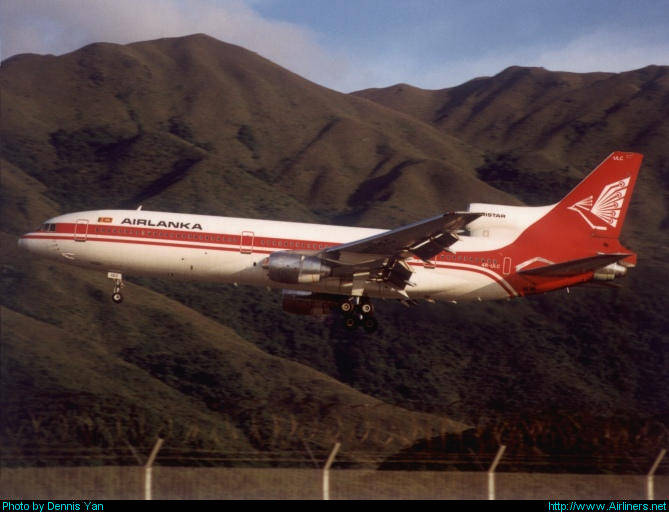
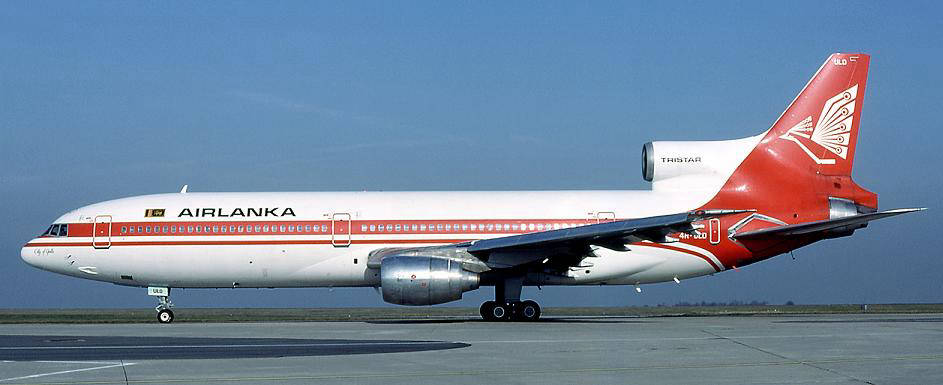
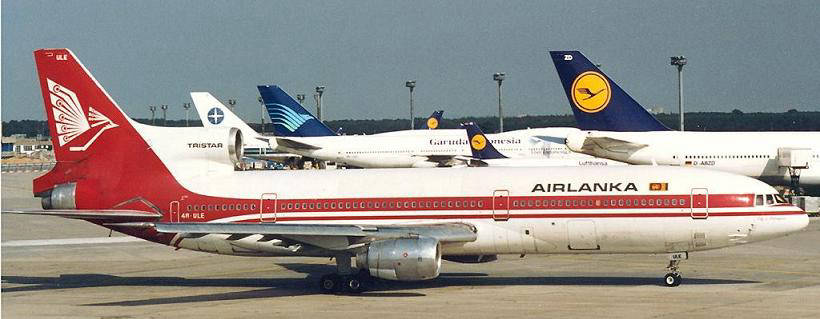
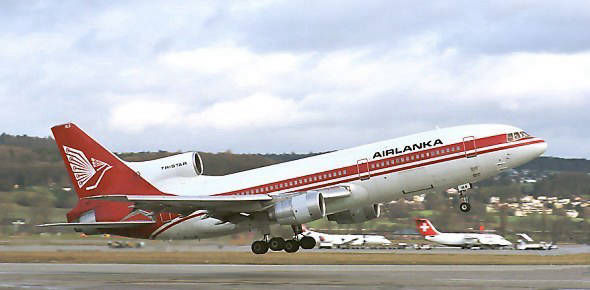
The Lockheed TriStar was the second wide body airliner to be launched, and although it was dogged with early financial and development problems, particularly with the engine, it went on to gain an excellent reputation in service for its reliability, economy of operation and low noise emissions.

The L-1011 TriStar was the last Lockheed airliner to be developed and was launched in March 1968 in response to an American Airlines requirement (that also resulted in the DC-10) for a large capacity medium range airliner. Lockheed initially studied a twin engined layout, but it was decided that three engines would be necessary to ensure it could takeoff at max weights from existing runways.

Work on the L-1011 prototype began early in 1969, resulting in a November 16 1970 first flight. The engine choice of Rolls-Royce's advanced three shaft design RB211 however dogged the TriStar's early career. Rolls-Royce went bankrupt in February 1970 largely due to higher than estimated RB211 development costs, severely harming both Lockheed and the TriStar sales program. The problems were able to be resolved after the British government nationalised Rolls-Royce, guaranteeing the supply of production engines. Despite the initial problems the RB211 proved to be extremely reliable and efficient in service and grew into a family of variants.

The first L-1011 model that entered service with Eastern and TWA in April 1972 was the initial domestic L-1011-1 (which was built in greater numbers than any other TriStar variant). Subsequent models to be developed were the -100 with more fuel and higher weights, the -200 with higher thrust engines, and the long range shorter fuselage -500, described separately. Production ceased in 1983, when 250 had been built. The prototype was sold to be broken up for spares in 1986.

Many aircraft were converted to improved models: the -50 with a higher MTOW and strengthened fuselage, wings, and undercarriage, the -150 with a higher MTOW, the -250 with RB211-524B4 engines (as on the 500) for US carrier Delta, a small number to freighters with a large cargo door as -1(F) and -200(F), and quite a few to -100 and -200.

An ex Air Canada TriStar 100 was converted in 1992 by Marshall of Cambridge (Engineering) Ltd for Orbital Sciences Corporation as the "Stargazer" flying satellite launcher. After launching the Pegasus Air-Launched Space Booster from the TriStar, the Pegasus itself launched a satellite into low Earth orbit.

Another TriStar 100, ex Worldways Canada, was converted in 1995/1996 by Lockheed Aeromod Center to a flying hospital for Operation Blessing International Relief & Development Corporation, a non-profit humanitarian organisation. Apart from the hospital equipment, the aircraft is fitted with systems to be independent from local ground-based equipment.

Approximately 156 TriStars remained in service in 1998. Total TriStar production of 250, of which 163 model 1, 13 model 100, 24 model 200, and 50 model 500 (the latter described separately).

L1011-1 - Three 187kN (42,000lb) Rolls-Royce RB211-22B turbofans.

L1011-200 - Three 213.5kN (48,000lb) RB211-524s or 222.4kN (50,000lb) -524B or B4s.

L1011-1 - Max cruising speed 973km/h (526kt), economical cruising speed 890km/h (463kt). Max range 5760km (3110nm).

L1011-200 - Speeds same. Range with max pax payload 6820km (3680nm), range with max fuel 9111km (4918nm).

L1011-1 - Operating empty 109,045kg (240,400lb), max takeoff 195,045kg (430,000lb).

L1011-200 - Operating empty 112,670kg (248,000lb), max takeoff 211,375kg (466,000lb).

Wing span 47.34m (155ft 4in), length 54.17m (177ft 8in), height 16.87m (55ft 4in). Wing area 320.0m2 (3456.0sq ft).

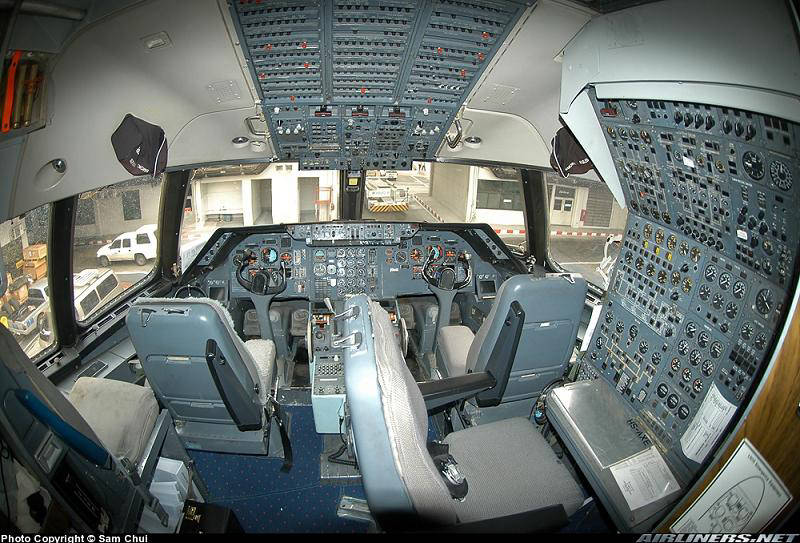
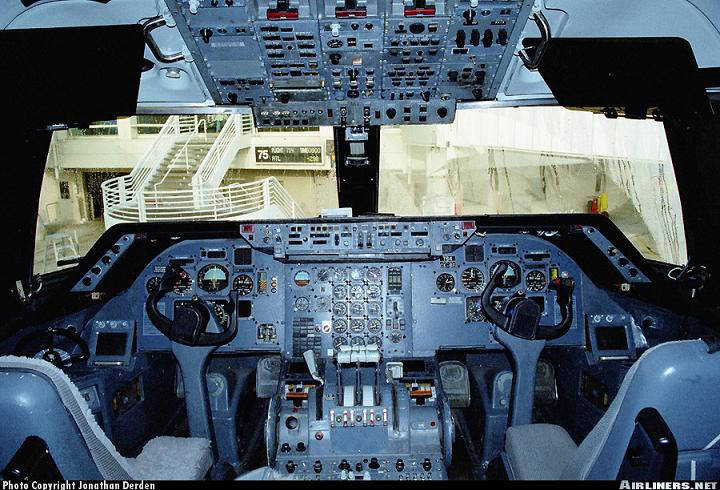
Flight crew of three.

Max seating for 400 in an all economy configuration at 10 abreast and 76cm (30in) pitch. Typical two class seating for 256, with six abreast premium class seating and nine abreast in economy. Under floor holds can accommodate 16 standard LD3 containers.

alkva
Mobirise


Lockheed L1011-500


Lockheed developed the shortened fuselage L-1011 TriStar 500 as a long range, smaller capacity derivative of the TriStar 200.

Launched in August 1976, the key changes incorporated in the 500 over the standard L-1011s are the 4.11m (13ft 6in) shorter fuselage, greater takeoff weights, increased fuel capacity and more powerful RB211-524 engines. The shortened fuselage reduces seating capacity to a maximum of 330, 70 less than the standard length TriStars, while the below deck galleys that had been a feature of the L-1011 family were replaced with conventional main deck units.

Other improvements include enhanced wing-to-fuselage and fuselage-to-rear engine intake fairings, automatic braking and automatic thrust control. Most have three, rather than four, doors/emergency exits on each side of the fuselage. The design changes combine to give the 500 a maximum range of 11,260km (6100nm), approximately 2000km (1300nm) further than the long range 200.

The TriStar 500 first flew on October 16 1978 and entered service with British Airways in May 1979.
Soon after, the 500 also introduced the active aileron improvements first pioneered on the Advanced TriStar, which was the original prototype TriStar fitted with a number of advanced features intended for introduction to the TriStar production line. The Advanced TriStar incorporated increased span wings to reduce drag, with active, automatic operation of the ailerons used to cope with the increased weight and aerodynamic loads instead of strengthening the wing structure.

The first 500 with active ailerons and extended wingtips flew in November 1979 and deliveries of 500s with the new wing tip extension began the following year, while in 1981 it became a standard feature. Lockheed began retrofitting the active aileron wingtip extension to all previously built TriStar 500s from 1981. Production ceased in 1983 after 50 had been built, although the last 500 was not delivered until 1985.

In December 1982 Britain's Royal Air Force bought 6 TriStar 500s from British Airways and contracted Marshall of Cambridge (Engineering) Ltd for the conversions. Four of them were converted to tanker-transports as TriStar K1. The conversion involves the installation of paired HDUs (Hose Drum Units) in the lower rear fuselage, under floor fuel tanks in the fore and aft baggage compartments, adding an additional 100,060lbs (45,385kg) of fuel, a closed circuit TV camera to monitor refuelling, and military communications and navigation equipment. The aircraft are also equipped with a refuelling probe above the forward fuselage.

The first flight was made on July 9, 1985. As full passenger seating is available in the cabin, the K1 is an excellent aircraft for squadron deployments, able to refuel their aircraft in the air and at the same time carrying squadron personnel and supplies.

The other two aircraft, and two of the K1s, were converted to TriStar KC1 with the same modifications as the K1 but with an additional large cargo door in the port side front fuselage, a freight handling system, and a strengthened floor. They can carry cargo on pallets and 35 passengers. The first KC1 was flown in 1988.

Three more, ex Pan Am, TriStar 500s were bought in 1984, two of them serving as troop transport TriStar C2s. They retain the normal passenger seating and are not equipped with a flight refuelling probe. It was planned to convert the third one to a tanker K2, but these plans were abandoned and it was delivered instead as a TriStar C2A, with a new interior, military avionics, and the digital autopilot replaced by the same analog autopilot as fitted to the K1 and KC1. The MTOW for all RAF TriStars was increased to 540,000lbs (244,945kg). They serve with 216 Squadron.

Three 222.4kN (50,000lb) Rolls-Royce RB211-524B or -525B4 turbofans.

Max cruising speed 960km/h (518kt), economical cruising speed 894km/h (483kt). Range with max pax payload 9905km (5345nm), range with max fuel 11,260km (6100nm).

Operating empty 111,310kg (245,500lb), max takeoff 231,330kg (510,000lb).

Wing span 50.09m (164ft 4in), length 50.05m (164ft 3in), height 16.87m (55ft 4in). Wing area 329.0m2 (3540.0sq ft).

Flight crew of three.

Max seating for 400 in an all economy configuration at 10 abreast and 76cm (30in) pitch. Typical two class seating for 256, with six abreast premium class seating and nine abreast in economy. Under floor holds can accommodate 16 standard LD3 containers.
Mobirise


alkva

We were once told that the aeroplane had "abolished frontiers"; actually it is only since the aeroplane became a serious weapon that frontiers have become definitely impassable.

- George Orwell, 'You and the Atomic Bomb', Tribune, London, 19 October 1945 -

© ALKVA MMXI - MMXXII